Acne may settle, but the marks it leaves behind can continue affecting skin texture for years. People frequently search for one “best” Acne Scar Treatment, although acne scars come in different forms and often require different techniques.
The first step is distinguishing true scars from post-acne colour changes.
Acne Marks and Acne Scars Are Different
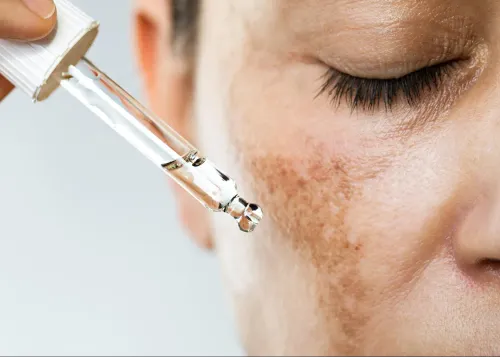
Flat red or brown marks left after pimples are not necessarily scars. They represent changes in colour and may improve differently from scars that have altered the physical texture of the skin.
True acne scars can include depressed scars, narrow deep scars, broader rolling irregularities, and raised scars.
A person can also have more than one scar type at the same time.
Why Scar Type Changes the Treatment Plan
A procedure that works well for one scar pattern may have limited value for another.
This is why treatment should not be selected solely because a particular laser, peel, or facial is trending.
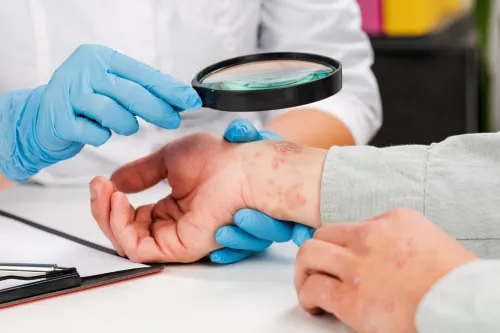
Assessment may consider:
- Scar depth
- Scar shape
- Number of scars
- Skin type
- Active acne
- Pigmentation tendency
- Previous treatments
- Expected downtime
- Individual goals
The overall skin condition matters just as much as the scars themselves.
Control Active Acne First
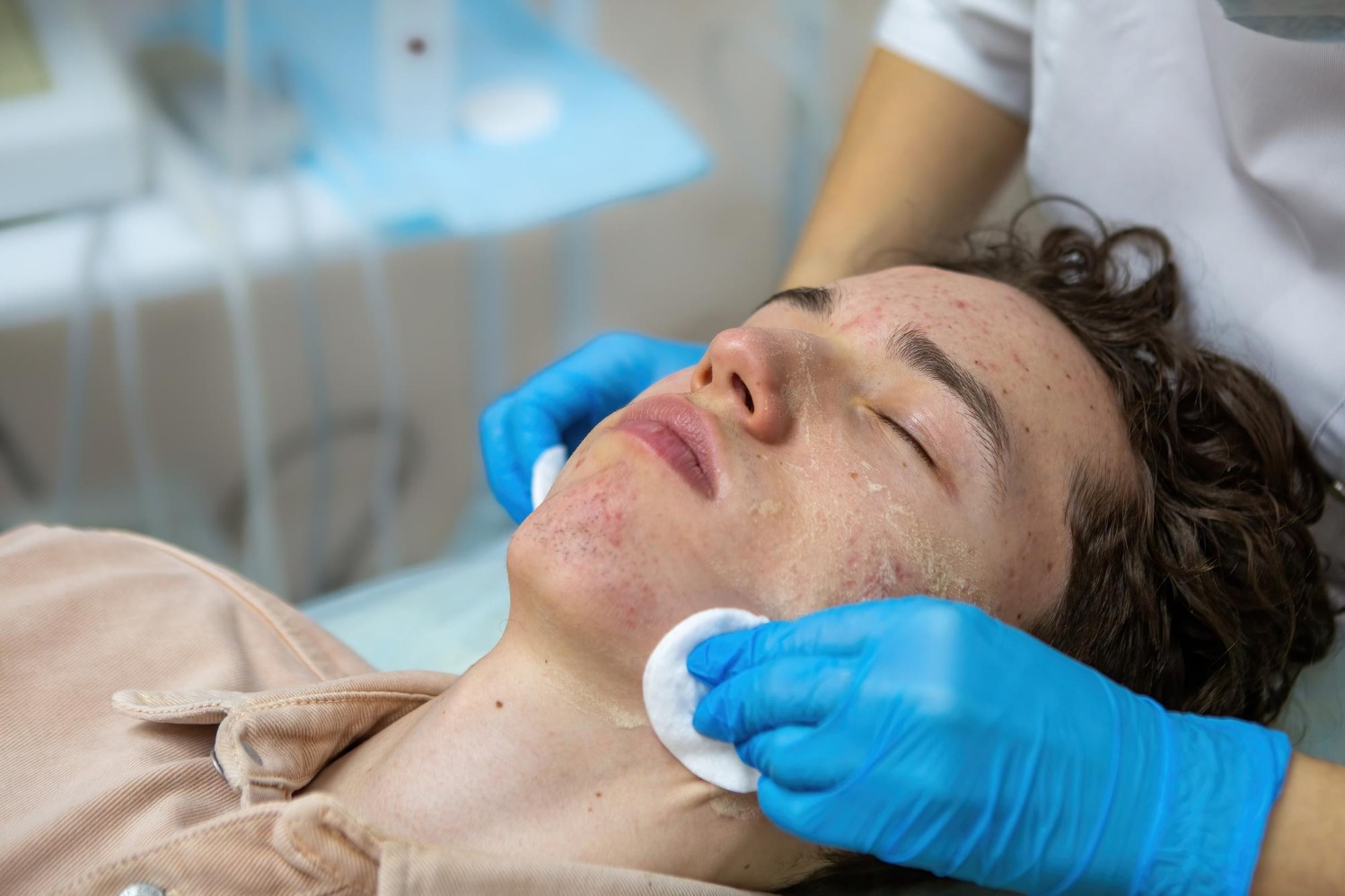
If new inflammatory acne continues to appear, treating scars without controlling active breakouts can become a frustrating cycle.
New lesions may create additional marks and scars while older ones are being treated.
For many patients, acne control is therefore an important first stage before intensive scar procedures begin.
Combination Treatment May Be Considered
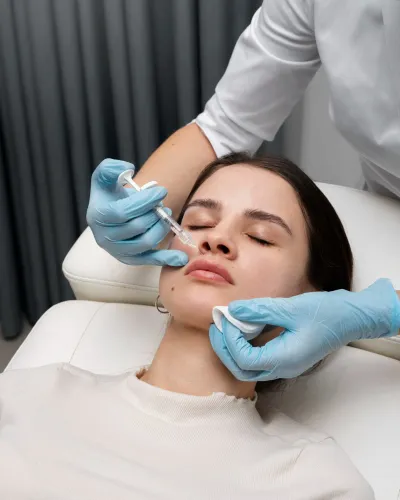
Because scar patterns vary, Acne Scar Treatment may involve different techniques used individually or in a planned combination.
The exact approach depends on the scar type and clinical assessment. Rather than asking for the maximum number of procedures, patients should understand what each recommended treatment is intended to improve.
Useful questions include:
- Which scar types do I have?
- Which scars are likely to respond best?
- Will more than one technique be needed?
- What downtime can I expect?
- How many sessions may be considered?
- What degree of improvement is realistic?
- How will pigmentation risk be managed?
Skin Type Matters
People with skin that develops pigmentation after inflammation require careful treatment planning.
This is particularly relevant when considering energy-based procedures or techniques that deliberately create controlled skin injury to stimulate repair.
Sun protection and aftercare are also important in Navrangpura, given Ahmedabad's high levels of sunlight during much of the year.
At B the change by Dr. Bansri Mahadevia’s clinic, scar assessment can help identify the types of acne scarring present and whether active acne needs attention before procedural treatment begins.
Expect Improvement Rather Than Perfectly Poreless Skin
Scar treatment aims to improve appearance and texture. Completely erasing every scar is not a realistic standard for evaluating treatment success.
Results depend on scar characteristics, skin response, procedure selection, healing, and adherence to aftercare.
A carefully selected Acne Scar Treatment should therefore be based on scar type rather than a one-size-fits-all package. Understanding the skin first, controlling ongoing acne, setting practical expectations, and choosing treatments strategically can make the entire scar-management process more purposeful.
Keywords