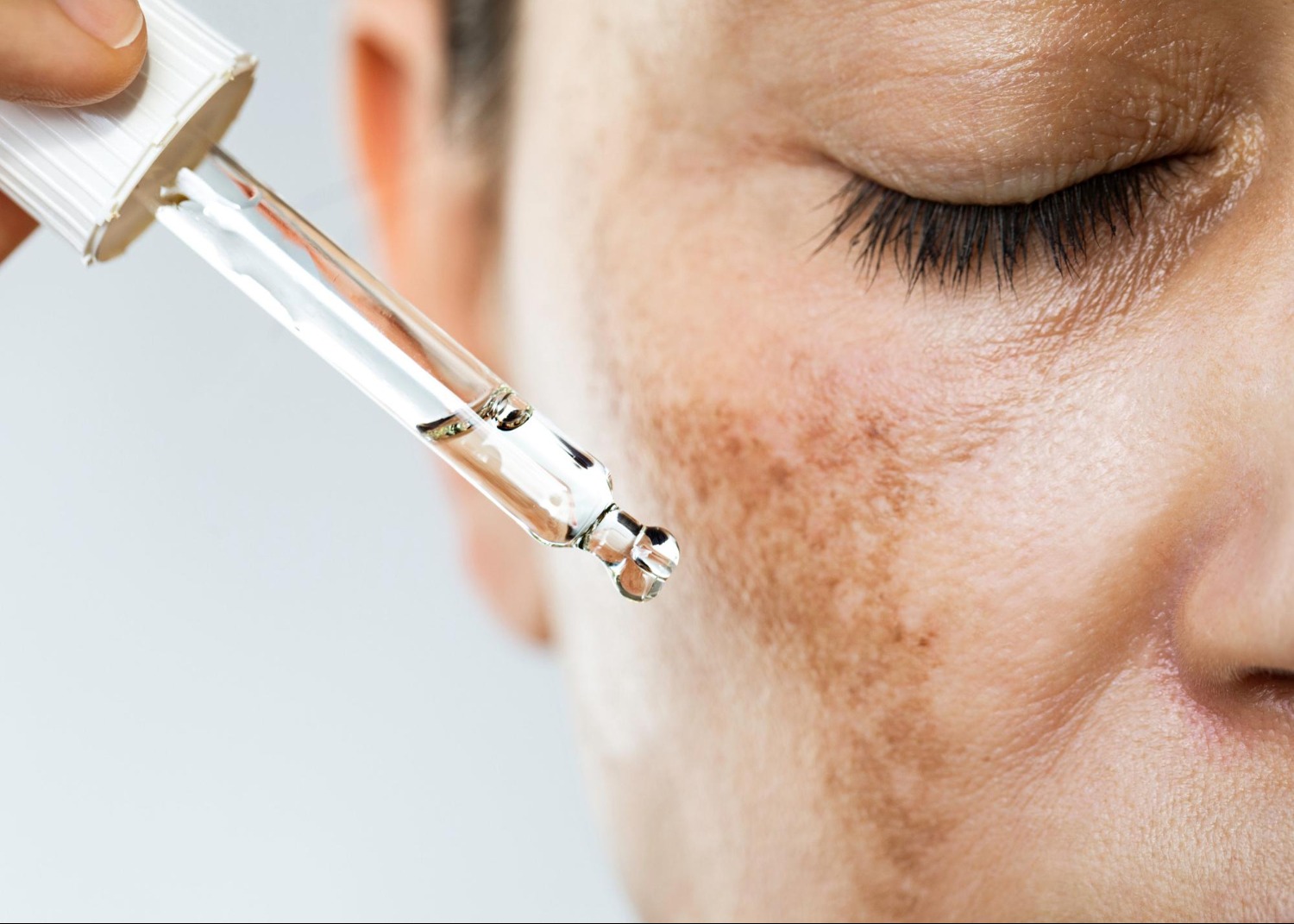
Dark patches and uneven skin tone are among the most common reasons people seek dermatological care, but pigmentation does not have one universal cause. Choosing the right Pigmentation Treatment begins with determining what type of pigmentation is present and what may be triggering it.
Treating every dark spot with the same cream or procedure can lead to disappointing results and, in some cases, additional irritation.
Why Pigmentation Develops
Skin colour is influenced by melanin, but excess or uneven pigmentation can develop for several reasons.
Common contributing factors may include:
- Sun exposure
- Post-acne marks
- Skin inflammation
- Hormonal influences
- Melasma
- Certain medications
- Repeated friction
- Previous skin injury
- Irritating cosmetic products
The depth and pattern of pigmentation can also influence treatment selection.
Sun Protection Is Part of Treatment
A pigmentation procedure cannot be separated from sun protection.
Repeated ultraviolet and visible-light exposure can worsen several pigmentation concerns. For people living in Navrangpura, Ahmedabad, where strong sunlight is common for much of the year, daily protection deserves particular attention.
Appropriate sunscreen, protective clothing, shade, and sensible exposure habits can form an important part of long-term pigmentation management.
Why Random Brightening Products Can Backfire
When people want fast results, they sometimes combine multiple acids, exfoliants, scrubs, serums, and fairness products.
Excessive irritation can damage the skin barrier. In pigmentation-prone skin, inflammation itself may contribute to further darkening.
A better approach is to establish the diagnosis and introduce treatment in a controlled way.
What Can Pigmentation Treatment Include
Depending on the type and severity of pigmentation, professional management may involve topical skincare, chemical procedures, laser-based approaches, or other dermatological treatments.
The appropriate Pigmentation Treatment depends on the individual rather than the name of the procedure alone.
Before choosing treatment, ask:
- What type of pigmentation do I have?
- What is likely contributing to it?
- How deep is the pigmentation?
- Which treatment options suit my skin?
- What is the risk of irritation or rebound pigmentation?
- How important is maintenance?
- What skincare should I follow between sessions?
These questions are especially important for people with skin types that develop post-inflammatory pigmentation easily.
Improvement Can Take Time
Pigmentation often requires consistency.
Some marks may improve relatively predictably once the trigger is controlled, while conditions such as melasma can require longer-term management and may recur.
Promises of permanently eliminating every type of pigmentation in a fixed number of sessions should therefore be approached cautiously.
At B the change by Dr. Bansri Mahadevia’s clinic, people with uneven skin tone can undergo assessment to determine the pattern of pigmentation and discuss suitable management options.
Focus on Control and Skin Health
The goal should extend beyond making skin lighter. Healthy pigmentation management aims to create a more even appearance while protecting the skin barrier and reducing factors that encourage recurrence.
For patients seeking dermatological care in Thaltej, Ahmedabad, a well-planned Pigmentation Treatment combines correct assessment, appropriate procedures where needed, daily sun protection, and consistent home care.
Understanding the cause first can save months of experimenting with unsuitable products and provides a much clearer path toward improving uneven skin tone
Keywords